Slovakia & Czechia Cross-border Youth Gathering Evaluation Report
 Team Member, Coordinator Dorota Žuchová Country Coordinator Coworking Cvernovka dorka.zuchova@socialimpactaward.net
The Slovakia & Czechia Cross-border Youth Gathering was organised under Capacity Building in the Field of International Non-formal Learning Mobility (CB-ILM), an Erasmus+ project involving youth organisations from Slovakia, Czechia, Armenia and Georgia.
Overview and participants
The Slovakia & Czechia Cross-border Youth Gathering was organised under Capacity Building in the Field of International Non-formal Learning Mobility (CB-ILM), an Erasmus+ project involving youth organisations from Slovakia, Czechia, Armenia and Georgia. The project supports partner organisations in designing and delivering cross-border learning activities and creates opportunities for young social entrepreneurs to exchange ideas and practical knowledge with peers from other countries. KOLABO občianske združenie and Hub for Change, spolek jointly organised the Youth Seminar in Bratislava & Pezinok as part of this work.
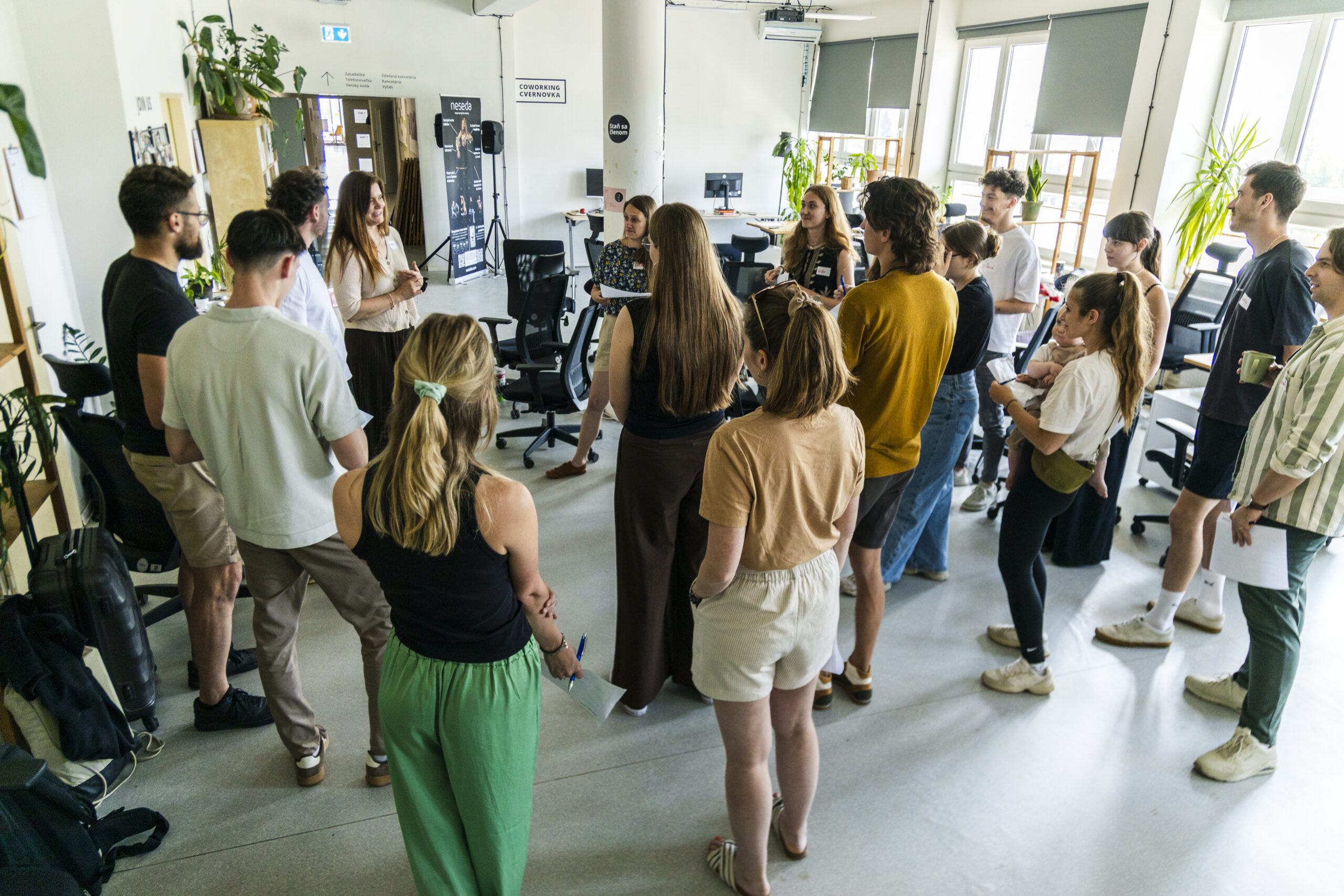
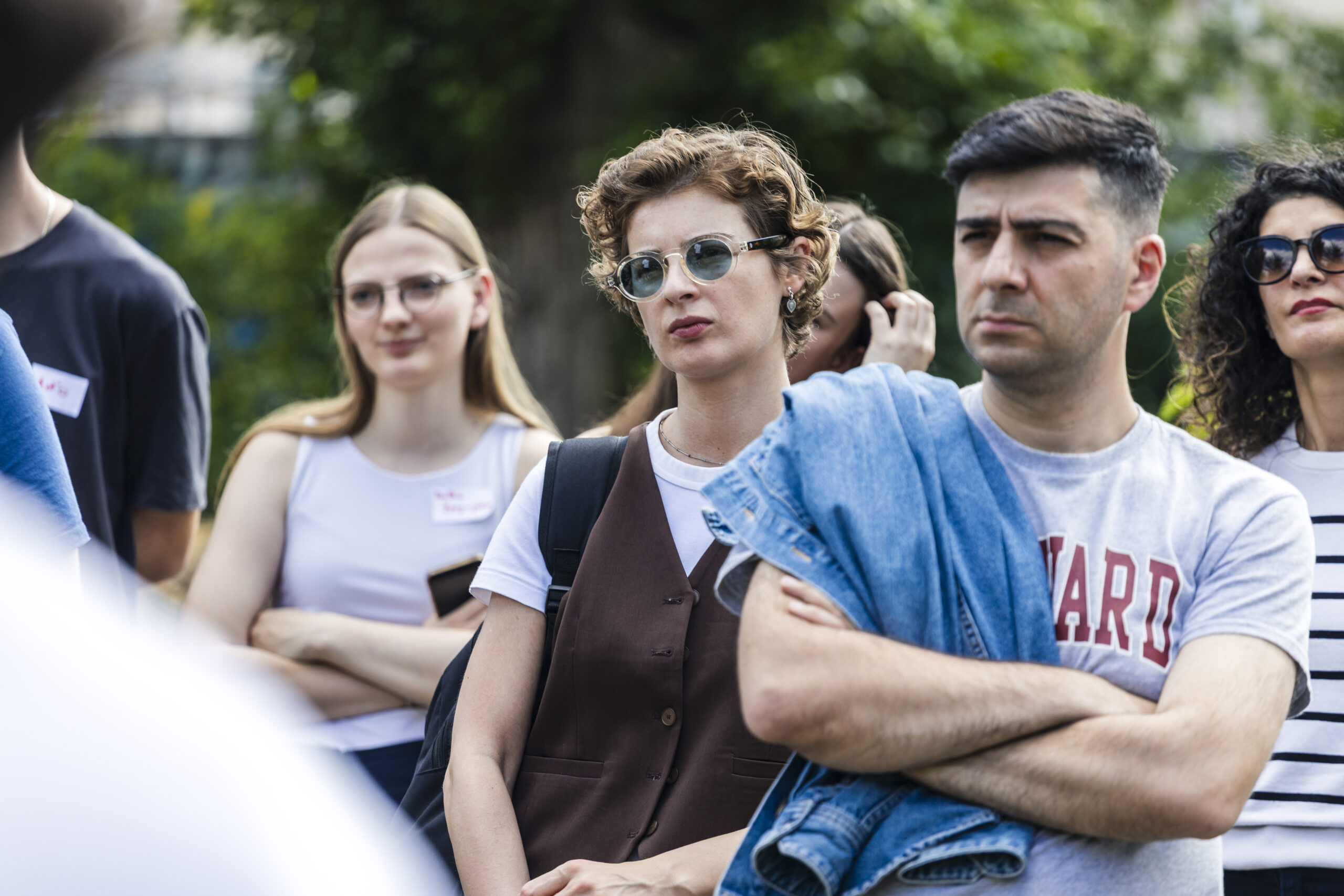
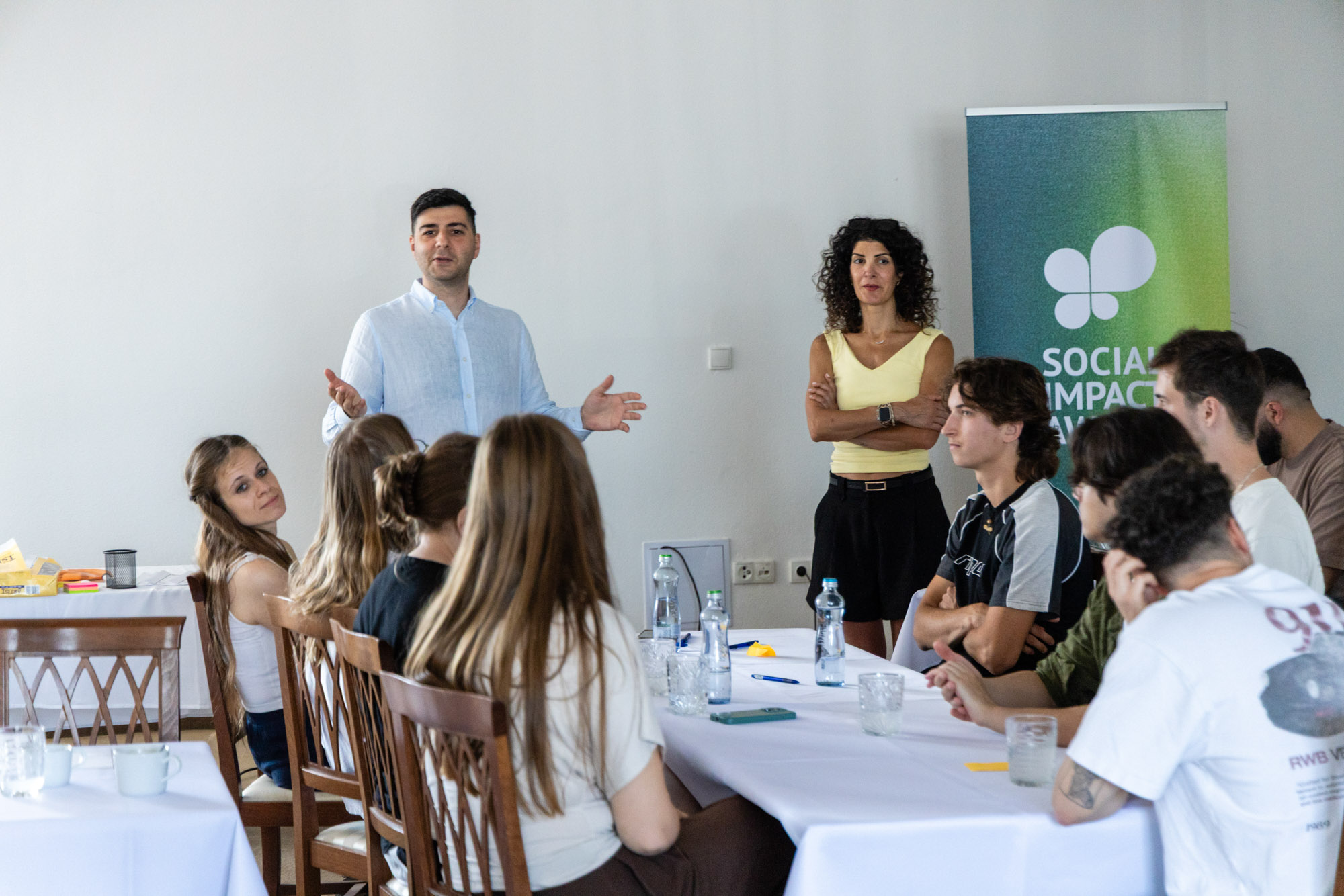
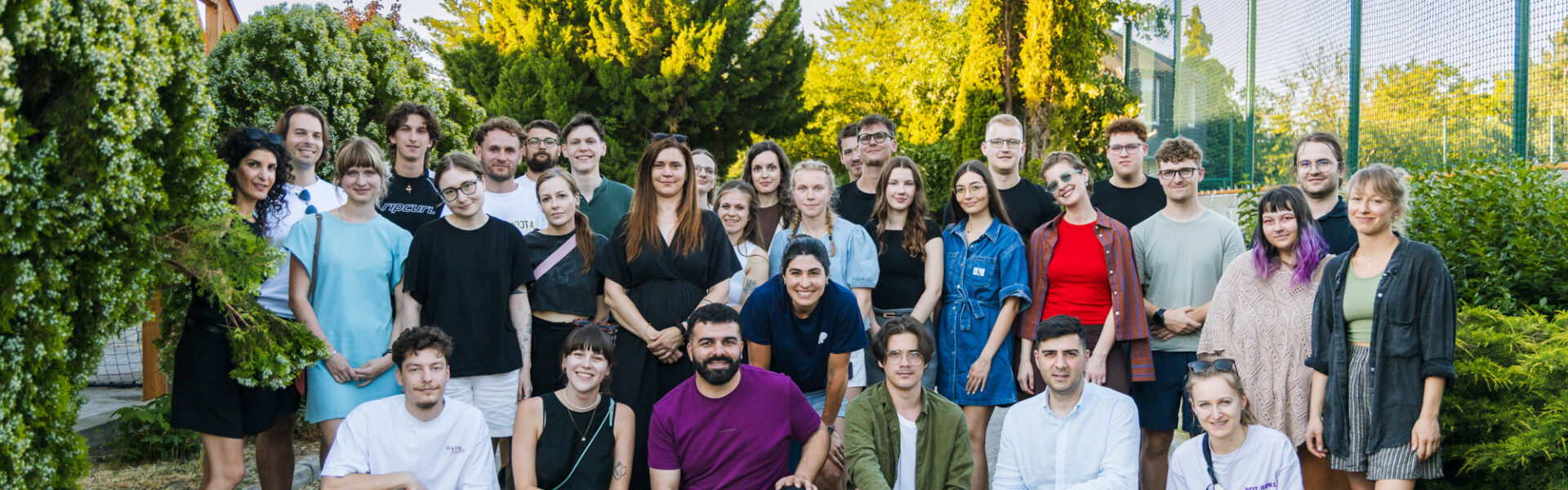
The Youth Seminar took place on 18–21 June 2026 in Slovakia and brought together 30 participants – 15 from Czechia and 15 from Slovakia. The Seminar also welcomed guests from Impact Hub Yerevan and Impact Hub Tbilisi, who joined to learn more about how the Youth Seminar works and to gain insights from the implementation of the programme in Czechia and Slovakia.
The aim was to create a space for joint learning, project development, networking and building the cross-border SIA community. Participants worked on a diverse range of projects in areas such as education, health and well-being, inclusion, community development, sustainability and youth support.
Programme and activities
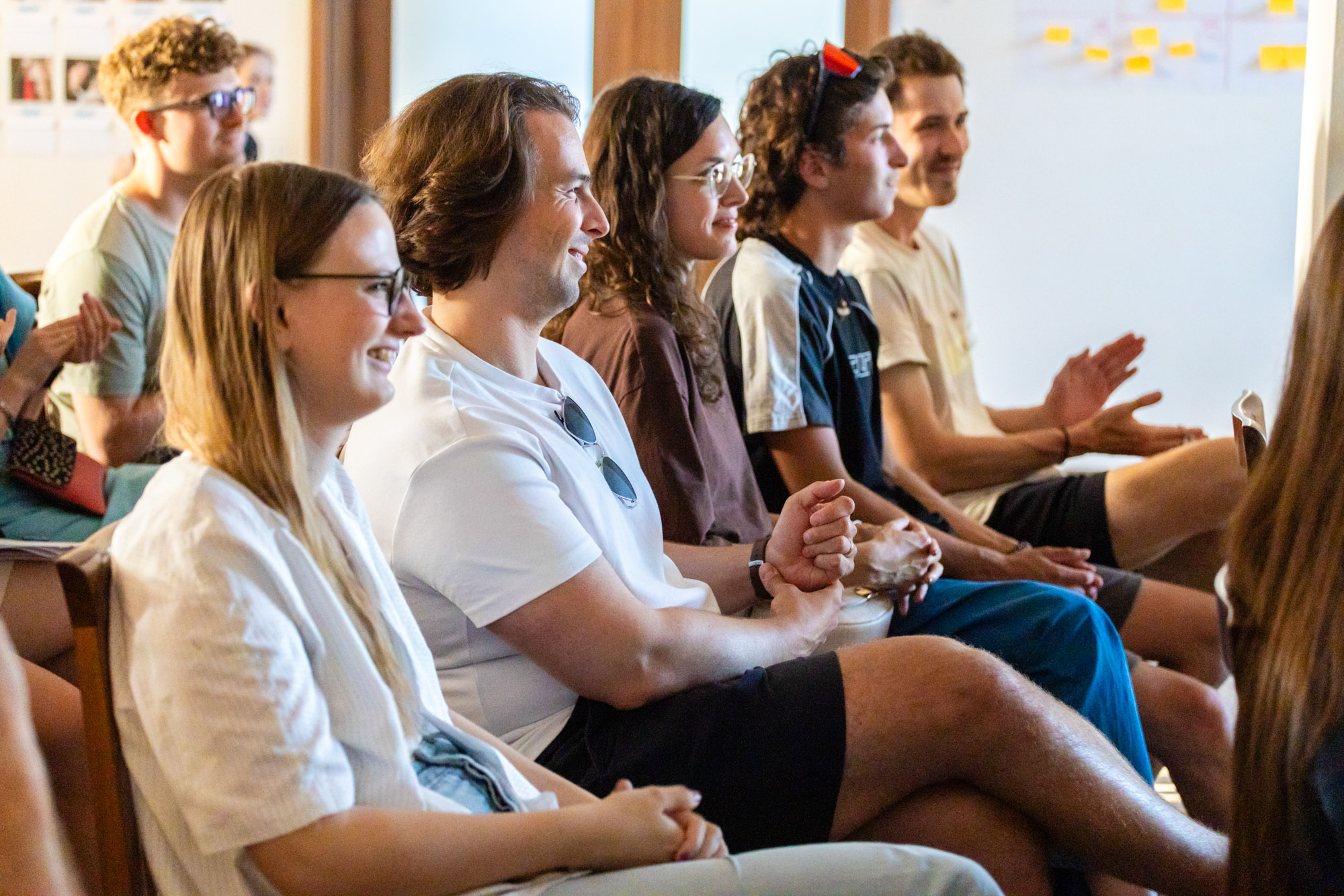
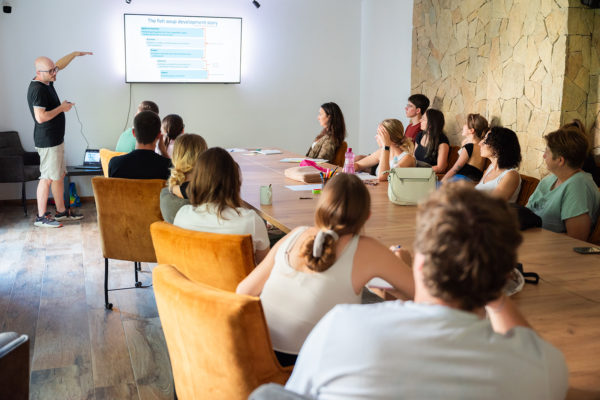
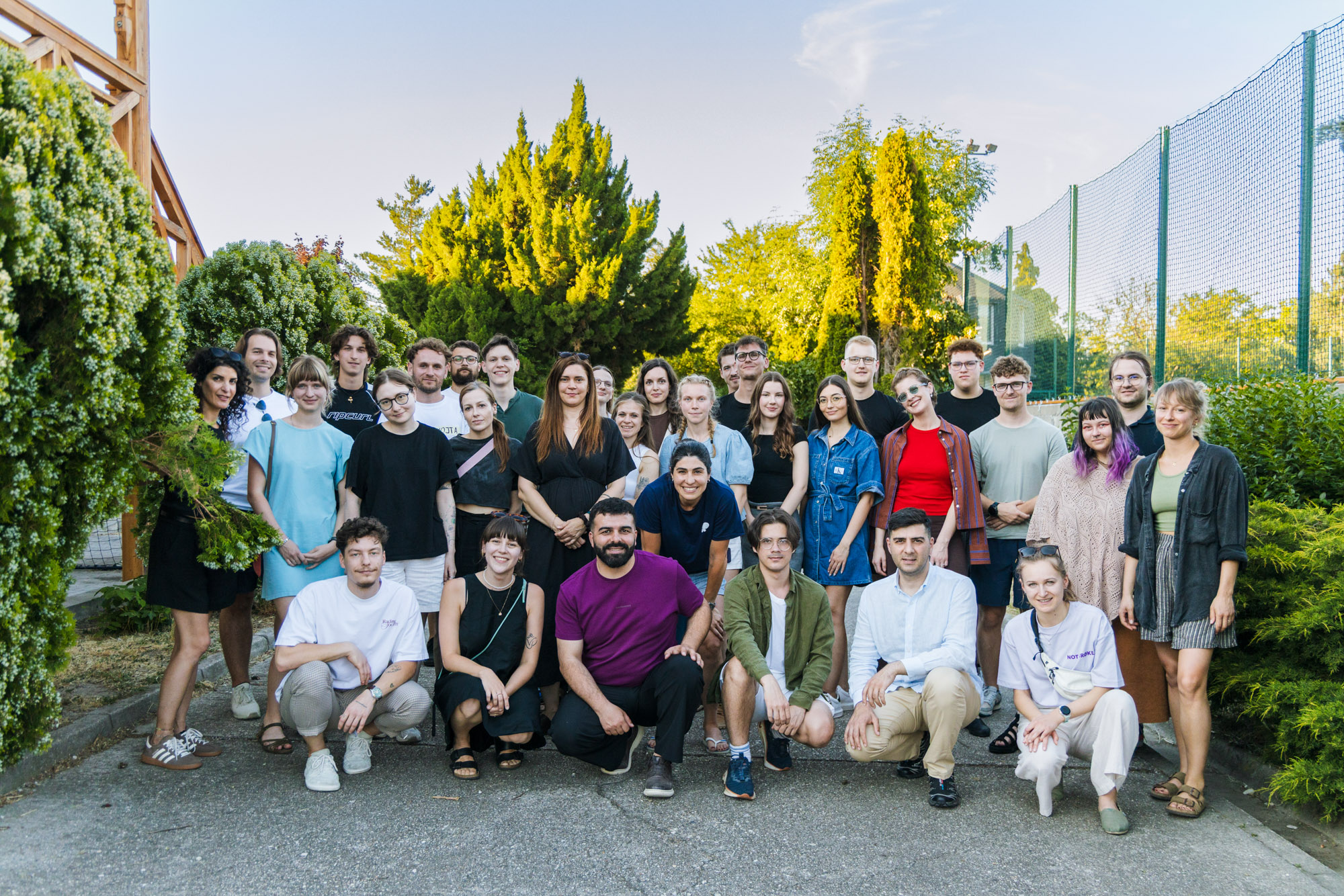
The programme combined practical workshops, group activities, peer learning and informal time together. It included:
- Lean Canvas & Flourishing Business Canvas workshop focused on structuring and further developing the participants’ projects;
- Design Thinking workshop with Adam Brock, focused on better understanding users’ needs and finding solutions;
- Financing Impact Projects workshop with Mária Šimůnková, focused on funding opportunities and fundraising;
- Marketing and Social Media workshop;
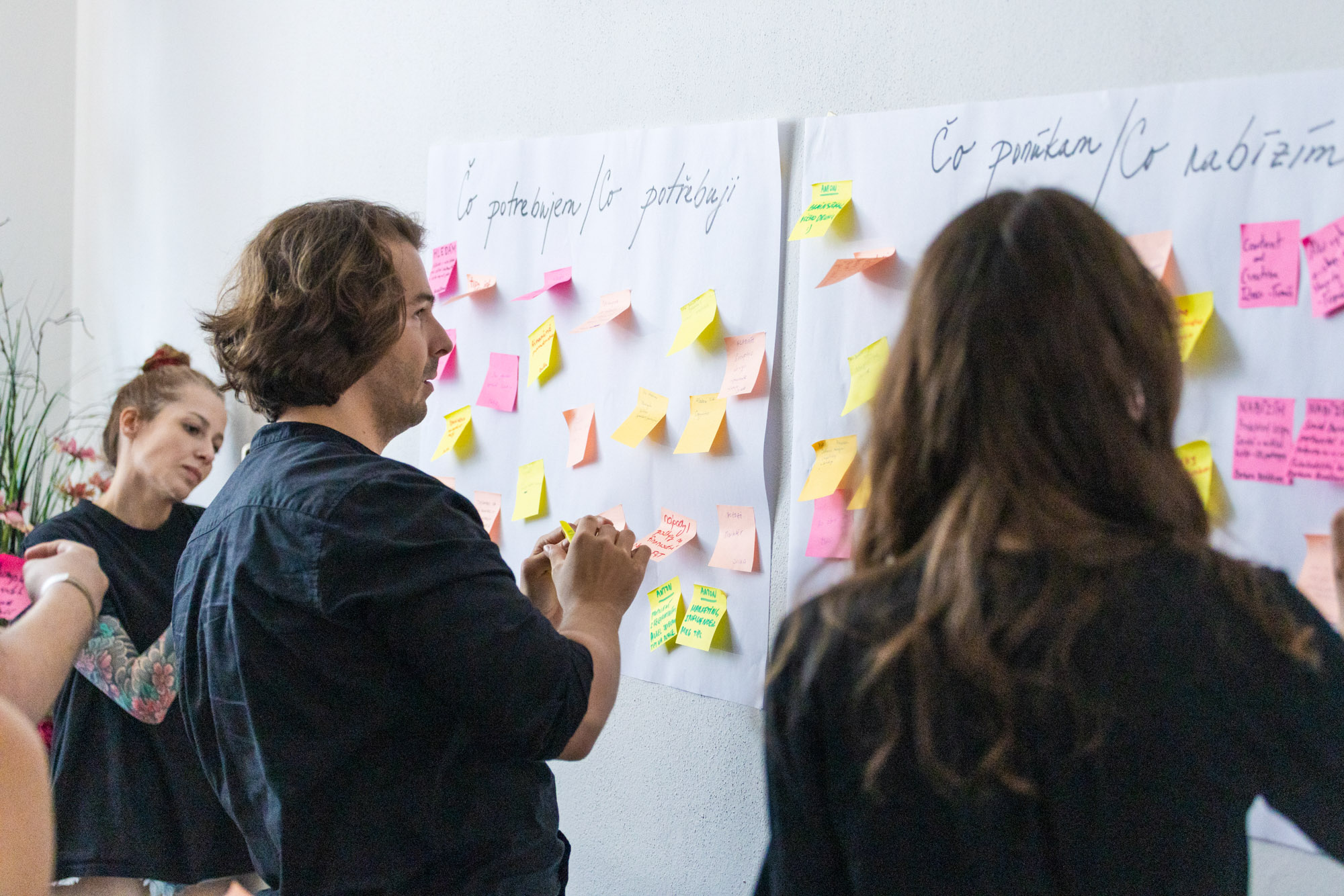
- Community Marketplace, where participants had the opportunity to share their strengths and experience, while also asking for help or advice in areas where they needed support. The aim was to share know-how, connect with each other and help one another address specific challenges;
- Pecha Kucha alumni stories, where SIA alumni shared their experiences from the programme;
- SIA Q&A and discussions about the programme and participants’ projects;
- ongoing reflections and takeaways throughout the Bootcamp;
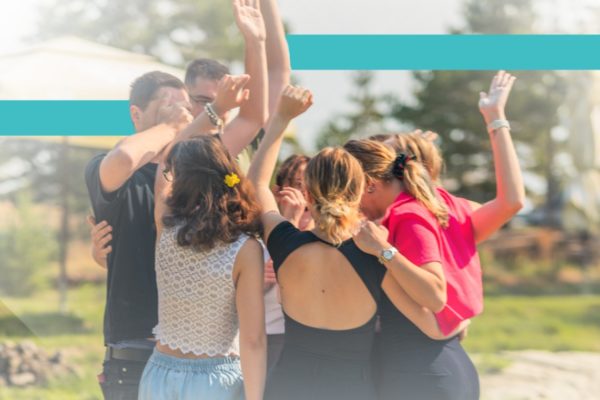
- moderated community activities such as the Moon Survival activity and Buddy Commitment Walk, among others.
The programme combined learning and practical project work with space to relax, get to know each other and build a stronger community.
Evaluation and feedback
The Youth Seminar was evaluated through several methods – open and moderated feedback during the Youth Seminar, a final feedback form and Youthpass learning outcomes.
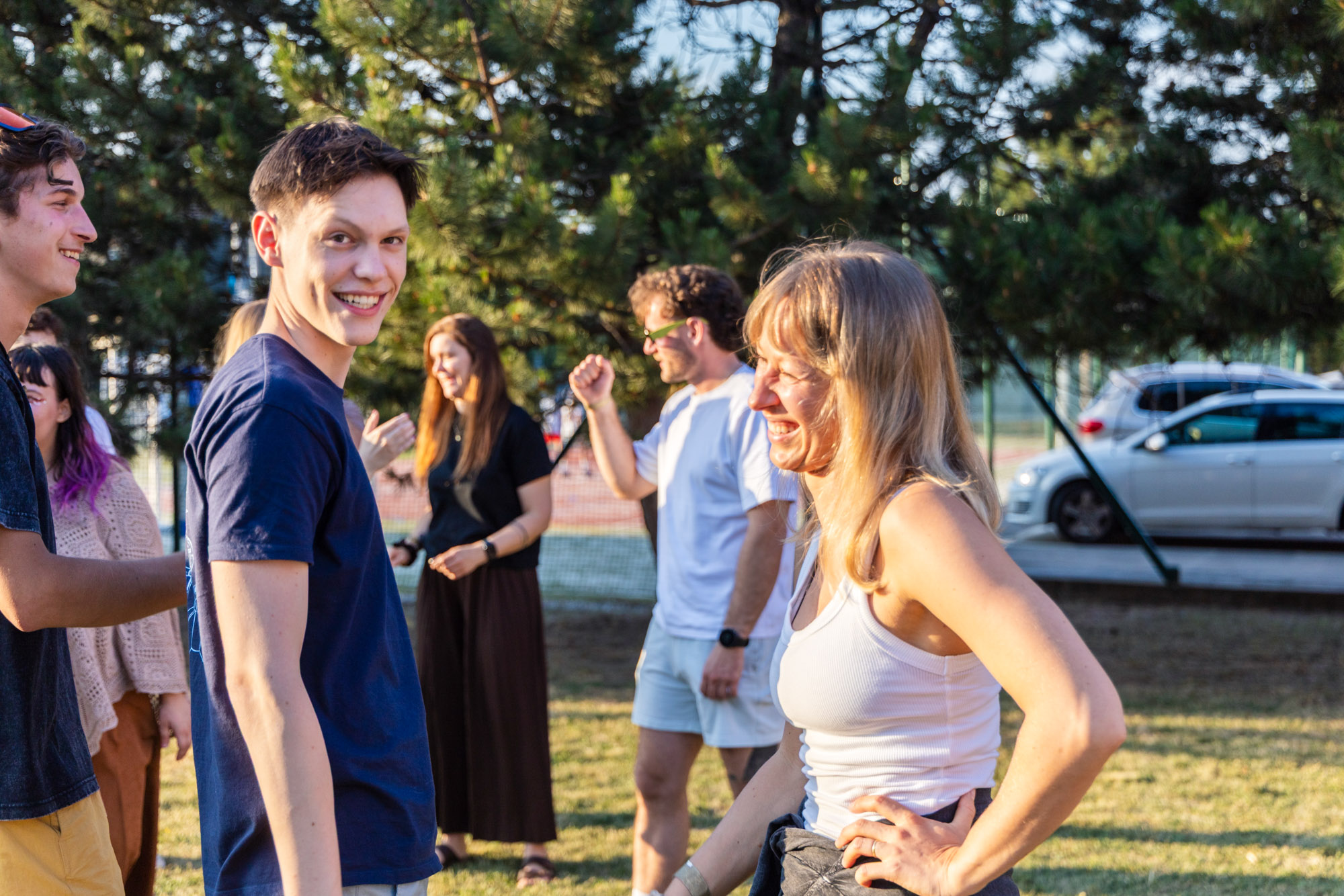
Throughout the programme, participants had space to reflect on individual activities and what they were taking away from them. In the final feedback form, they evaluated the programme, organisation and its overall value, and also had the opportunity to share open-ended feedback.
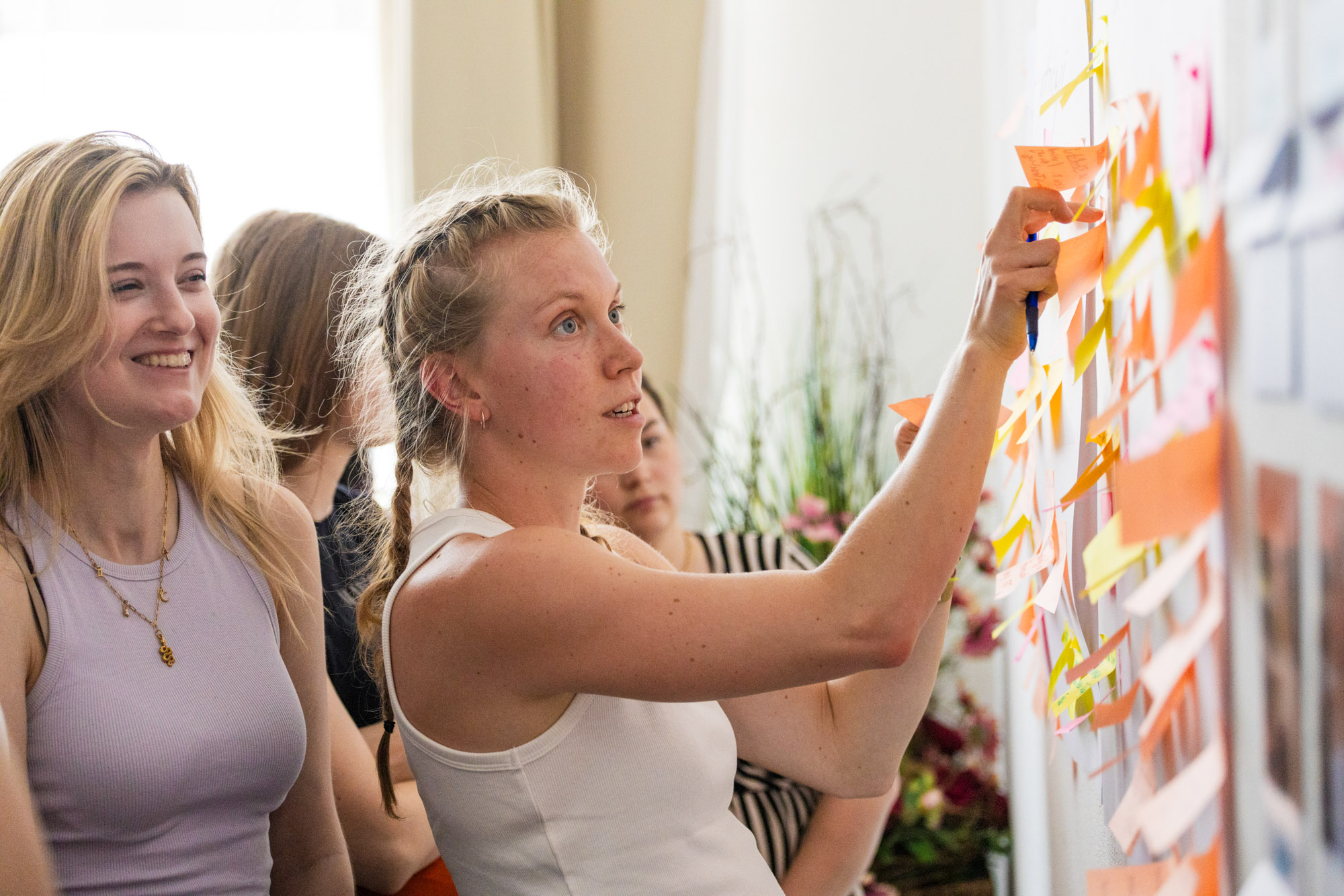
The most frequently mentioned benefits included new perspectives on their own projects, practical input for further development, inspiration, networking and a sense of community. Participants also appreciated the opportunity to learn from other teams and receive feedback from people working on similar challenges.
The overall organisation of the Youth Seminar received a rating of 4.60/5.
Learning outcomes and competence development
The Youthpass results showed progress particularly in the areas of project development, communication, teamwork and intercultural competences.
The most prominent areas included:
- a better understanding of users’ needs and the use of Design Thinking in project development;
- better understanding of funding opportunities for social impact projects;
- greater confidence in communicating their project and its value to different people;
- greater confidence in working with people from different backgrounds and in diverse teams;
- improved ability to listen to others, exchange ideas and consider different perspectives;
- improved ability to give and receive feedback and use it to further develop their projects;
- greater confidence in taking responsibility for next steps and turning ideas into concrete actions;
- better understanding of intercultural cooperation through working together with Czech and Slovak participants.
Based on the feedback, the Youth Seminar therefore brought participants not only new practical tools for developing their projects, but also supported their communication, collaboration and confidence in moving their projects forward.
Challenges and lessons learned
The feedback also highlighted several areas that could be improved in future gatherings. Participants found some parts of the programme quite intensive and would appreciate more space for breaks, informal conversations and working on their own projects.
There was also a need to adapt workshops more to different levels of experience. For some topics, participants would have appreciated more practical examples and concrete resources, particularly around financing and social media.
Another important point was the need for clear and timely communication about the programme and schedule. Participants also suggested introducing the individual projects more systematically at the beginning of the gathering, which could further support networking and connections within the group.
Overall, the feedback showed that the combination of practical learning, peer learning, cross-border networking and informal community building worked well. Future gatherings can build on this format while creating more space for reflection, individual project work and adapting the learning activities to different needs and levels of experience.
Conclusion
The SK–CZ Cross-border Youth Gathering created a shared space for learning, networking and community building for Social Impact Award participants from Czechia and Slovakia. In addition to practical skills in areas such as Design Thinking, communication and financing, the Youth Seminar also supported peer learning, intercultural cooperation and a stronger sense of belonging to the wider SIA community.